Why the eave line gets judged first
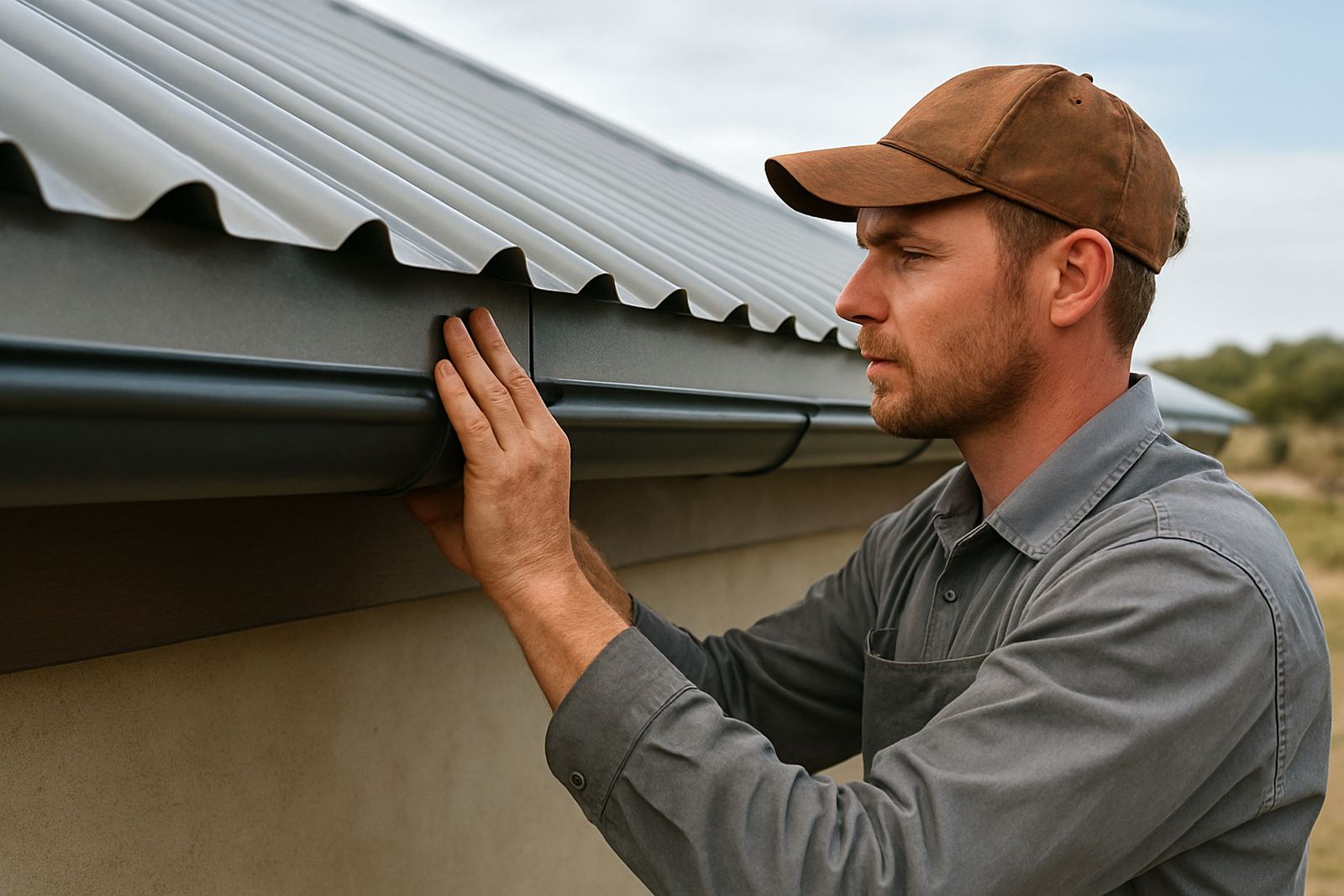
The eave is where the roof ends, so any uneven cut, bent sheet, open joint or loose edge shows immediately. On homes, workshops and light steel buildings across Mossel Bay, that line is also where rainwater, salt air and wind pressure meet. If the detail is poor, water can track back under sheets or drip onto fascia boards, gutters and walls.
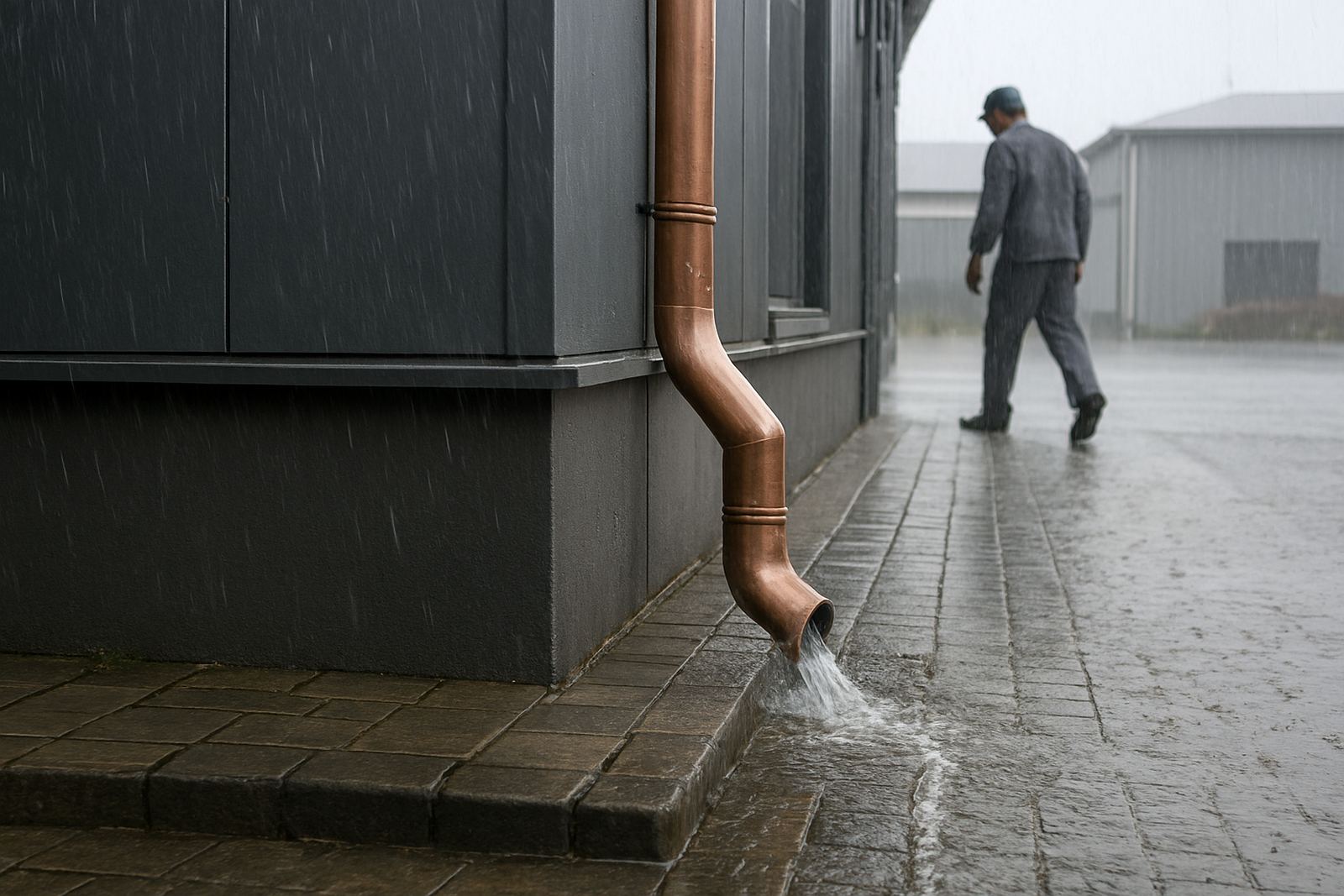
A neat eave is not only about looks. It helps the roof move water away from the building in the right place, especially during those fast coastal downpours we get in the southern Cape. It also reduces the chance of birds nesting, dust blowing in, and flashing edges lifting in strong wind.
What good eave detailing should include
Good eave work starts before any sheet is fixed. The line must be measured properly, the support checked, and the finish planned with the gutter or drip edge in mind. If the roof is cladded after the steel frame is up, the installer still has to allow for overlaps, edge turns and any movement in the structure.
- Square and even sheet cuts at the roof edge
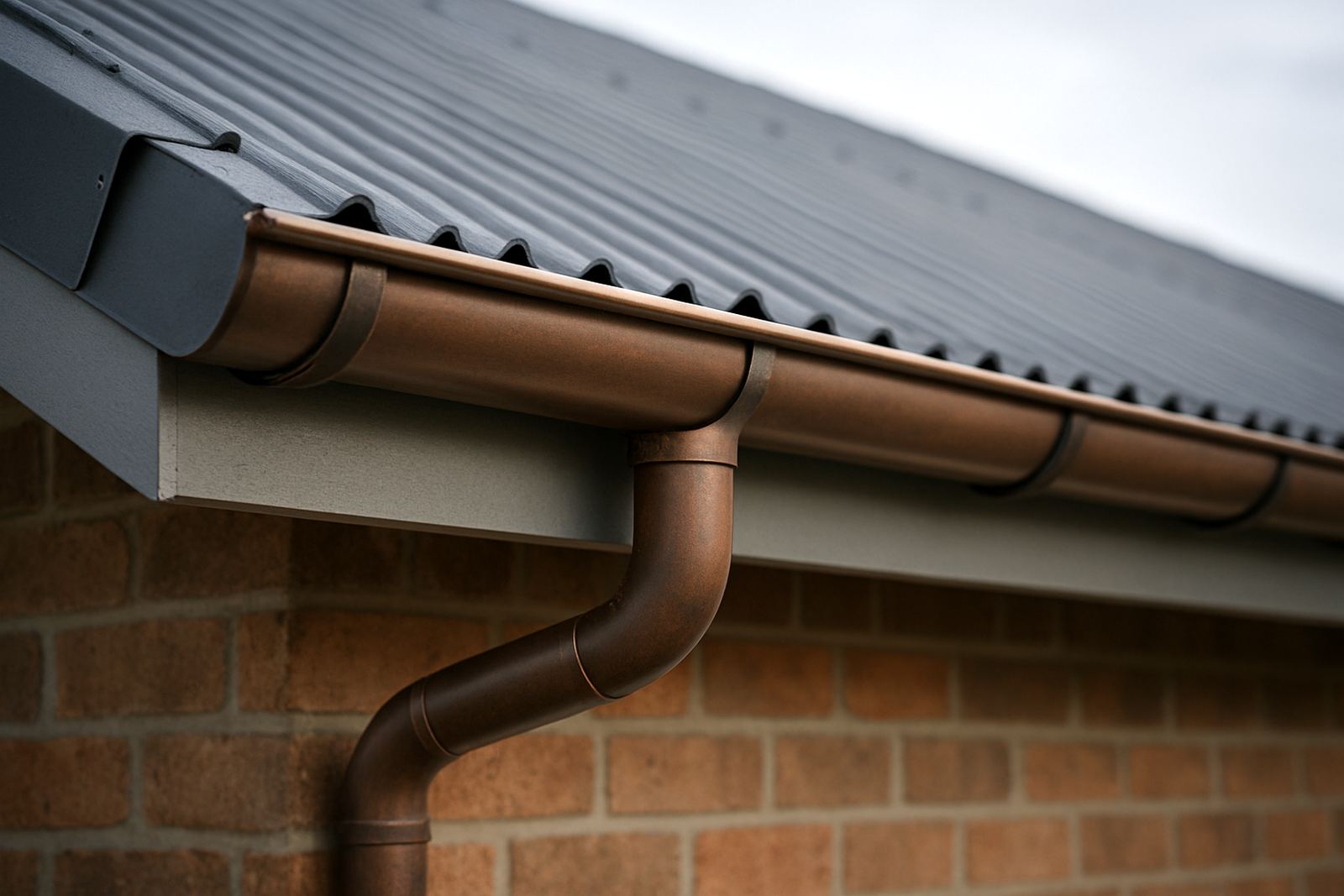
- Properly formed drip edges so water falls into the gutter, not behind it
- Cleanly fitted barge or eave flashings where needed
- Enough fasteners, placed straight and tight
- Sealants used only where necessary, not smeared everywhere
- Matching profiles between roof sheets and trims for a tidy finish
If one part is rushed the whole edge looks unfinished. On a visible carport or a street-facing workshop, that can spoil an otherwise solid job.
Coastal weather asks more from every edge
Mossel Bay, Hartenbos, Great Brak River and the wider Garden Route get salt in the air, wind off the water and humid conditions that work on metal over time. At the eaves, that means exposed cuts and poor overlaps can corrode quicker, especially where water sits after rain. A clean folded edge is better than a raw cut left open to the weather.
We often see problems after a season or two on roofs where the edge detail was treated as a small issue. The sheet still looks fine from a distance, but the ends start to stain, fixings loosen and gutters overflow because the water is not being guided properly. A little extra care at installation prevents that kind of repair work later on.
It is also worth thinking about load-shedding maintenance windows. If a property owner wants repairs done between power cuts, it helps to plan the eave work along with gutter checks and leak repairs so the team is not returning twice for the same edge.
Where small mistakes usually start
Most eave defects come from poor measuring, rushed cutting or trying to make one flashing suit several different roof lines. On simple structures the mistake may be hidden until the first hard rain. On more complex buildings, the problem can show up immediately in crooked lines or water tracking where it should not.
- Uneven roof sheet overhangs that make the edge look wavy
- Flashings cut too short, leaving a gap at the corner
- Gutters fixed too high or too low for the drip line
- Open ends where wind can drive rain back under the sheet
- Loose fasteners that chatter in wind and work themselves out
- Sealant used as a fix for bad alignment instead of proper fitting
These are the kind of details that can be corrected when spotted early, and they are far cheaper to sort out during installation than after the ceiling below has water marks.
A Mossel Bay example from a real site
On a light steel carport in Gouriqua Park, the owner wanted the structure to match the main house and keep the edge as neat as the rest of the property. The roof sheets were cut back evenly, the eave line was set to fall cleanly into the gutter, and the corners were finished with custom flashings rather than off-angle trims. That made a plain structure look deliberate and well kept.
The bigger benefit came during the first heavy rain. The water ran into the gutter without splashing over the front, and the edge stayed dry underneath. The owner also noticed less dirt blowing under the roof because the end detail was closed properly. It is a simple example, but it shows how eave work can improve both weathering and appearance at the same time.
For buildings in George, Wilderness and Sedgefield, the same principle applies. Once the edge is neat, the rest of the roof looks settled too.
How to keep the finish neat over time
Even well-made eaves need a bit of attention. Coastal dirt, leaves from nearby trees, and blocked gutters can all put strain on the edge line. A maintenance inspection once or twice a year is usually enough for small commercial buildings, carports and homes, especially before the wetter months.
When checking the eave detail, look for movement, rust staining, cracked sealant and overflow points. If a gutter is pulling away or a flashing is lifting, deal with it before the next storm. A small repair now avoids damage to wall cladding, timber fascia boards and the underside of the roof. We see this often on older properties around Mossel Bay where the gutter still looks serviceable but the fixings have started to fail.
If the edge is part of a broader roof repair, it is worth completing the full line in one go, so the finish stays consistent and the water path remains clear.
Why the final edge should look like it was planned
Neat eave detail work tells you a lot about the rest of the job. If the lines are straight, the folds are crisp and the gutter connection is clean, there is a good chance the roof was measured and installed with care. That is what property owners want to see on a new steel structure, a roof replacement, or a set of wall cladding works that needs to last in coastal conditions.
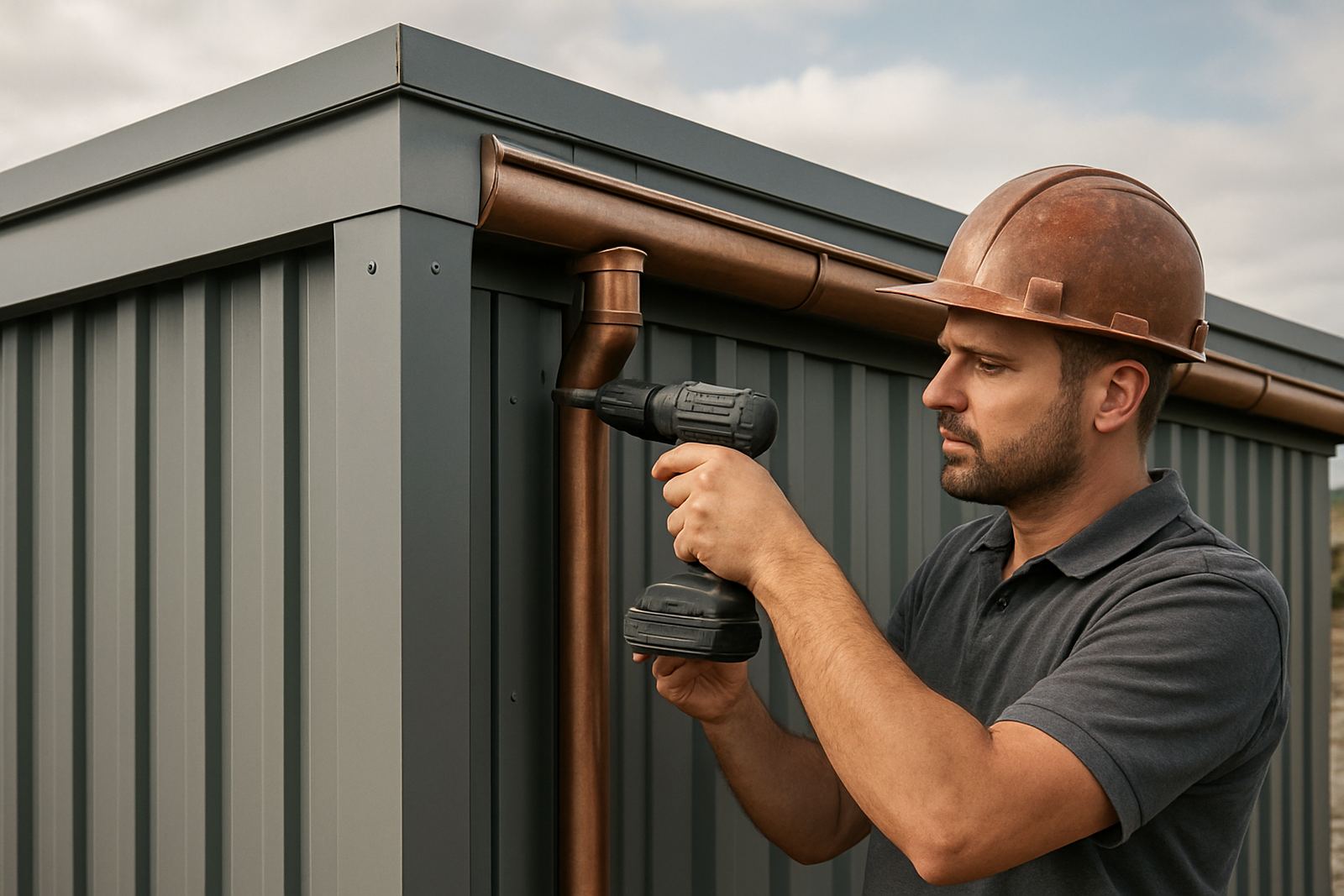
At J&E Sheet Metal in Gouriqua Park, Mossel Bay, we treat the eave as part of the weatherproofing system, not just the finishing touch. That means site measuring, custom flashings, gutter fabrication and roof sheet installation all have to work together. The result is a roof edge that does its job and still looks tidy from the ground.
For buildings across Mossel Bay and the southern Cape, that small detail can make the difference between a roof that simply covers a structure and one that finishes it properly.