Why a farm shed needs a drainage plan before the first sheet goes on
On a farm or smallholding, water always finds the lowest point and if the shed site is not planned for it, that water ends up at the doorway, under stacked goods or against the base of the walls. In the southern Cape, one heavy winter storm can show up every weak point at once. A proper drainage plan starts with the lay of the ground, the roof size and where vehicles, feed or tools will be loaded and offloaded.
The best time to think about drainage is during site measuring, before the frame is fixed and before the floor level is set. A shed in Gouriqua Park may sit on firmer ground than one out near Hartenbos low-lying areas, but both still need a controlled path for runoff. If the building is close to fields, gravel yards or compacted access tracks, even a small slope can send water straight back toward the shed.
Shaping the ground so water moves away from entrances
The ground around the shed should fall away from the building, not toward it. A neat roof means very little if the apron outside the door forms a shallow pan that holds water after rain. For most farm sheds, a gentle slope away from the entrance and along the sides is enough to keep puddles from hanging around where people walk or trolleys move.
When the site is still open, it helps to decide where the water should go after it leaves the gutter line. In some cases, that means a gravel swale, a drained verge or a compacted channel that leads stormwater toward a safe runoff point. It should not wash straight into a yard entrance, a packing area or a neighbour’s property. In municipal areas around Mossel Bay, drainage should also be kept clear of any blocked kerb lines or stormwater inlets.
- Keep the finished floor higher than the outside ground where possible
- Do not leave soft soil right at the threshold
- Use gravel or hard fill at doors that see daily traffic
- Make sure wheel tracks do not become runoff channels
Gutters and downpipes that cope with coastal rain and wind
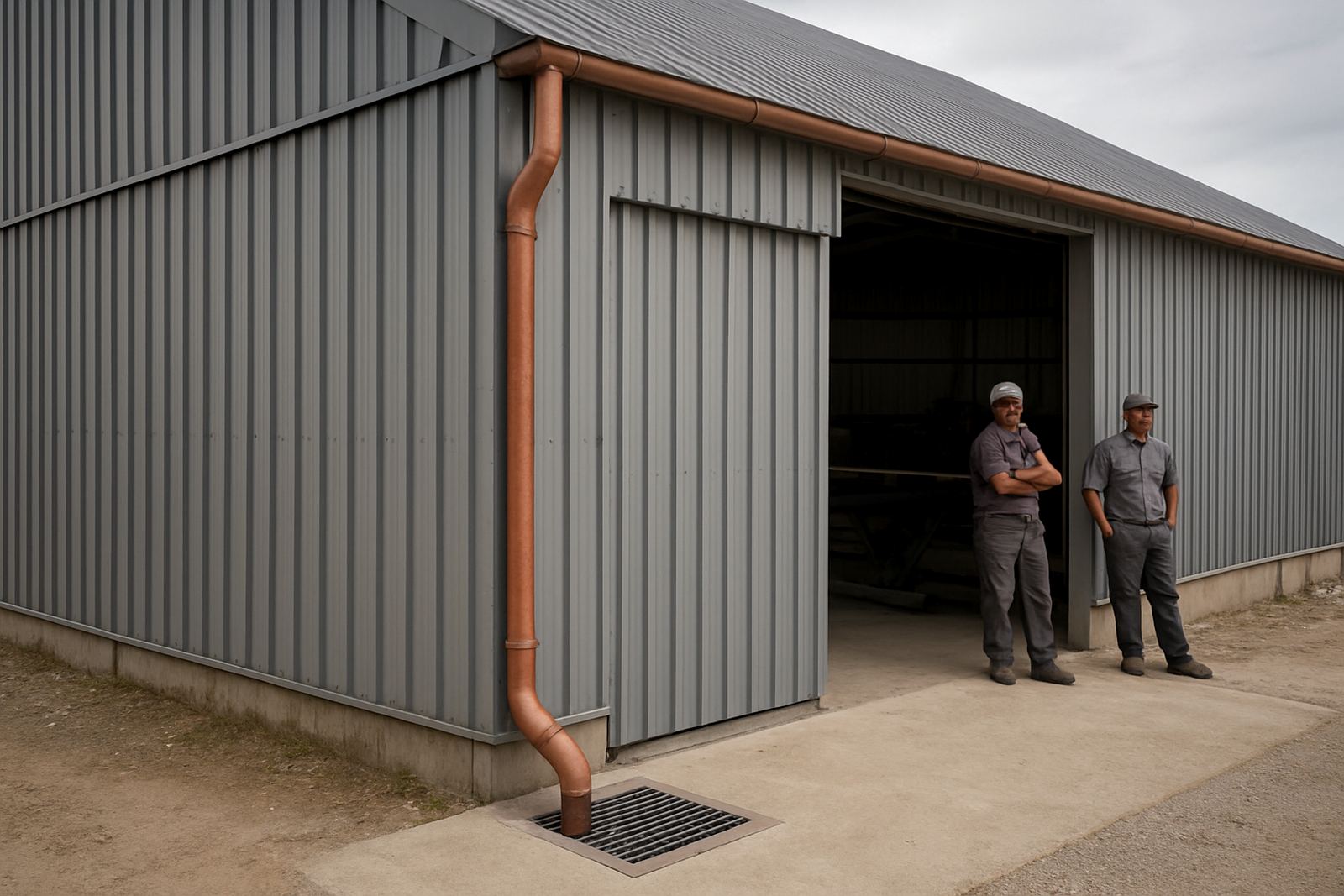
Roof water must be collected and carried away properly. In coastal areas like Mossel Bay and Great Brak River, gutters need to cope with strong wind, fast rain and salty air that can shorten the life of thin materials. If gutters are undersized or fixed badly, they overflow at the corners and dump water right beside the wall. That leads to mud splash, damp patching and sometimes footing damage.
Downpipes should be placed where they will not be knocked by vehicles or block access to the shed. On long farm sheds, it is often better to spread the discharge points rather than let all the roof water empty at one end. Gutter falls must be set correctly too, otherwise water sits in the channel and carries dirt, leaves and rust staining. A gutter that holds water also adds weight which is a problem in high winds.
- Match gutter size to roof area and rainfall exposure
- Fix downpipes where they can be cleaned easily
- Keep outlets clear of grass, stones and debris
- Check brackets after summer heat and winter storms
Protecting stored materials from splash, damp and standing water
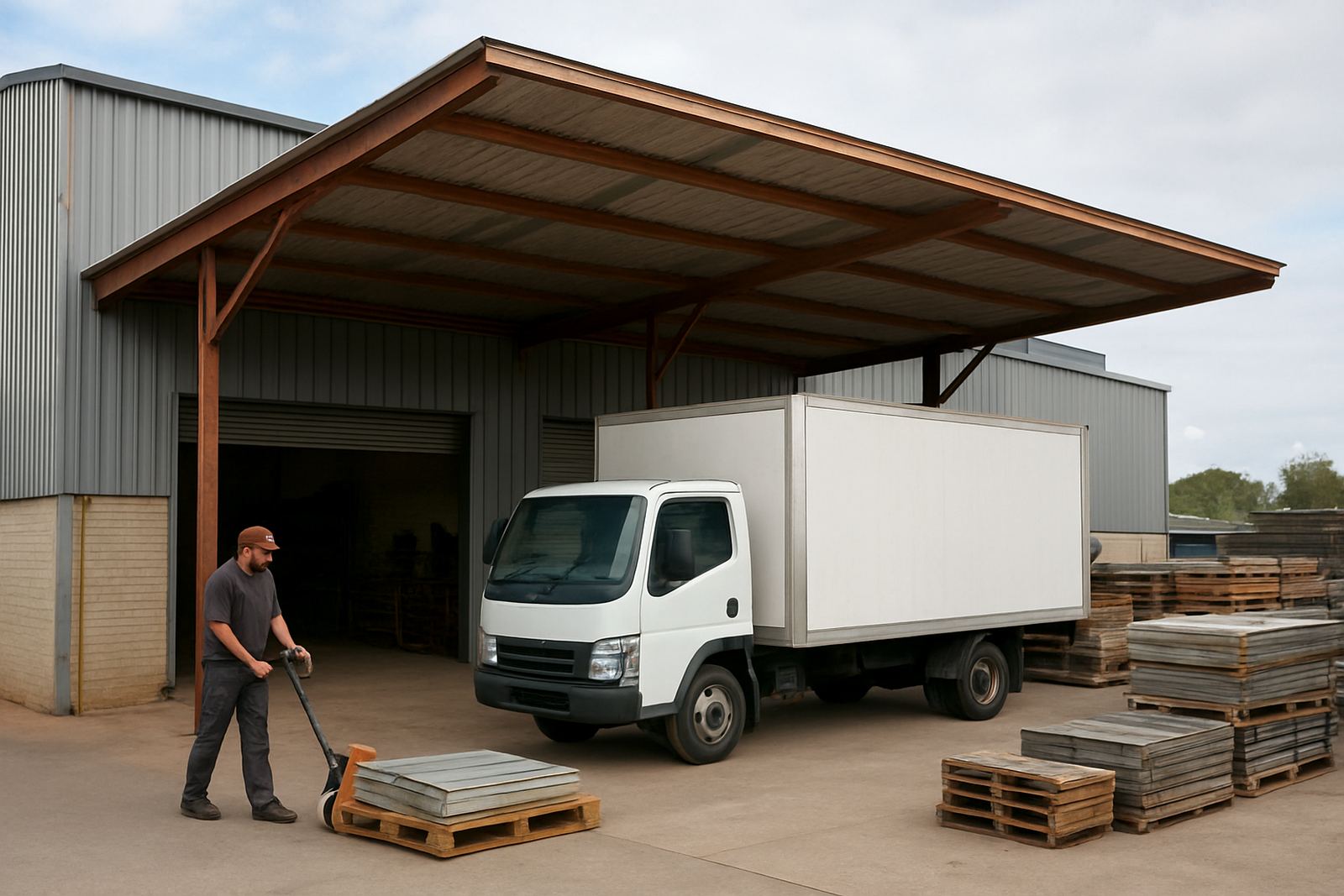
Many farm sheds store bagged feed, fertiliser, spares, fencing wire or timber, so the drainage around the building must keep that material dry. Even a small amount of splashback at the wall can lead to rust, mould and ruined stock. If the floor edge is lower than the yard outside, water can creep in under doors during a hard downpour and leave damp marks along the first row of pallets.
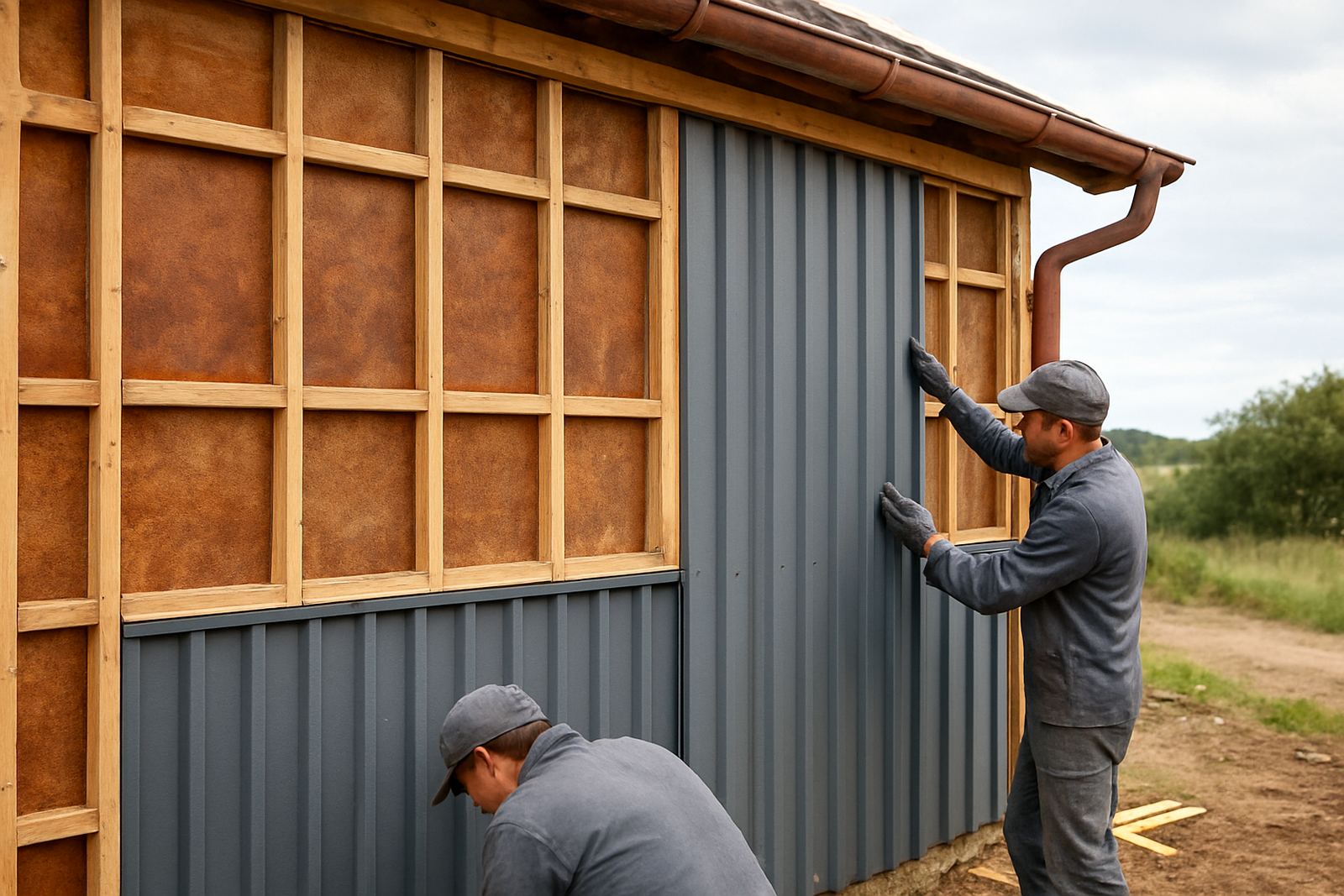
Good drainage work helps more than the roof alone. Wall cladding should end above the ground clearance needed to stop water and debris bridging into the building. Flashings at the base, around openings and along joints help guide water away instead of letting it sit against the steel. Where a shed stores equipment for long periods, a simple maintenance inspection after the rainy season can pick up blocked outlets, lifted flashings or gutter joints that need attention.
Drainage details for steel farm sheds and carports
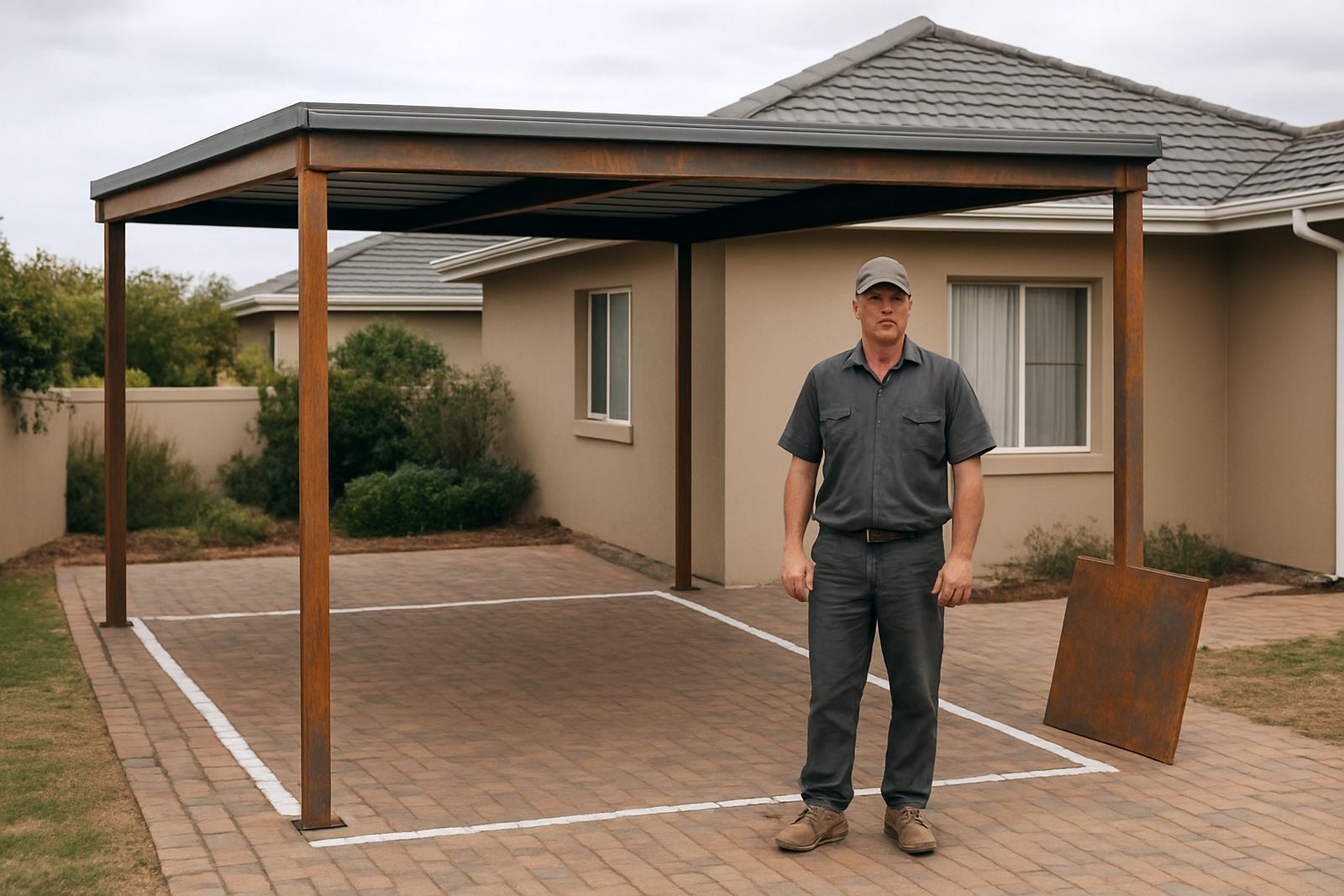
Steel sheds and carports are often installed in the same yard, and both need proper runoff control. A carport next to a shed can send roof water toward the shed wall if the fall is not planned carefully. Likewise, a steel structure built on a pad that was levelled too quickly may look tidy but still hold water around the posts after rain. That is where accurate measuring and a proper installation sequence matter.
For new works, the frame should be set with the drainage outcome in mind, not as an afterthought. Roof sheets, flashings and gutters all work together. If one part is off, the rest has to carry the problem. On many farms near Wilderness or Sedgefield, the combination of wind-driven rain and clay soil means drainage has to be more deliberate than people expect. A shallow channel that works in summer can fail completely during a wet June spell.
- Set post positions so water does not pond around footings
- Keep roof overhangs generous enough to reduce splash at walls
- Use reliable fixings for coastal conditions
- Allow space for cleaning gutters with a ladder or pole
A local example from the Mossel Bay side of the southern Cape
On a recent farm shed layout near Mossel Bay, the owner wanted a clean loading area for feed sacks and spare parts, but the original ground level would have left the doorway sitting in the path of runoff. The fix was simple enough: the apron was set to fall away from the entrance, the gutter discharge was moved to safer points and the side runoff was guided into a gravel strip instead of the work area. That meant the shed stayed usable even after a hard winter rain.
In the southern Cape, these smaller details save time later. When a shed is used daily, no one wants to walk through water or clear mud before getting to the stored goods. A proper drainage layout also reduces the chance of erosion around the base, which can lead to extra maintenance on flashings, cladding and the floor edge. It is far cheaper to do the grading correctly once than to keep patching the same wet spot every season.
Keeping drainage in working order through the wet months
Drainage is not a once-off task. Leaves, dust, bird nesting and windblown debris can clog gutters and downpipes quickly, especially where trees or open ground sit close to the shed. A quick check before winter and again after the first heavy rains can prevent overflow and damp damage. If a gutter is sagging or a downpipe has shifted, fix it early before the next storm tests it.
For farms and smallholdings around Mossel Bay, Hartenbos, George and the wider southern Cape, the aim is simple: keep the water moving away from entrances, walls and stored materials. With the right slope, the right guttering and sensible discharge points, a farm shed stays drier, safer and easier to use all year.