Why plaster thickness changes the flashing line
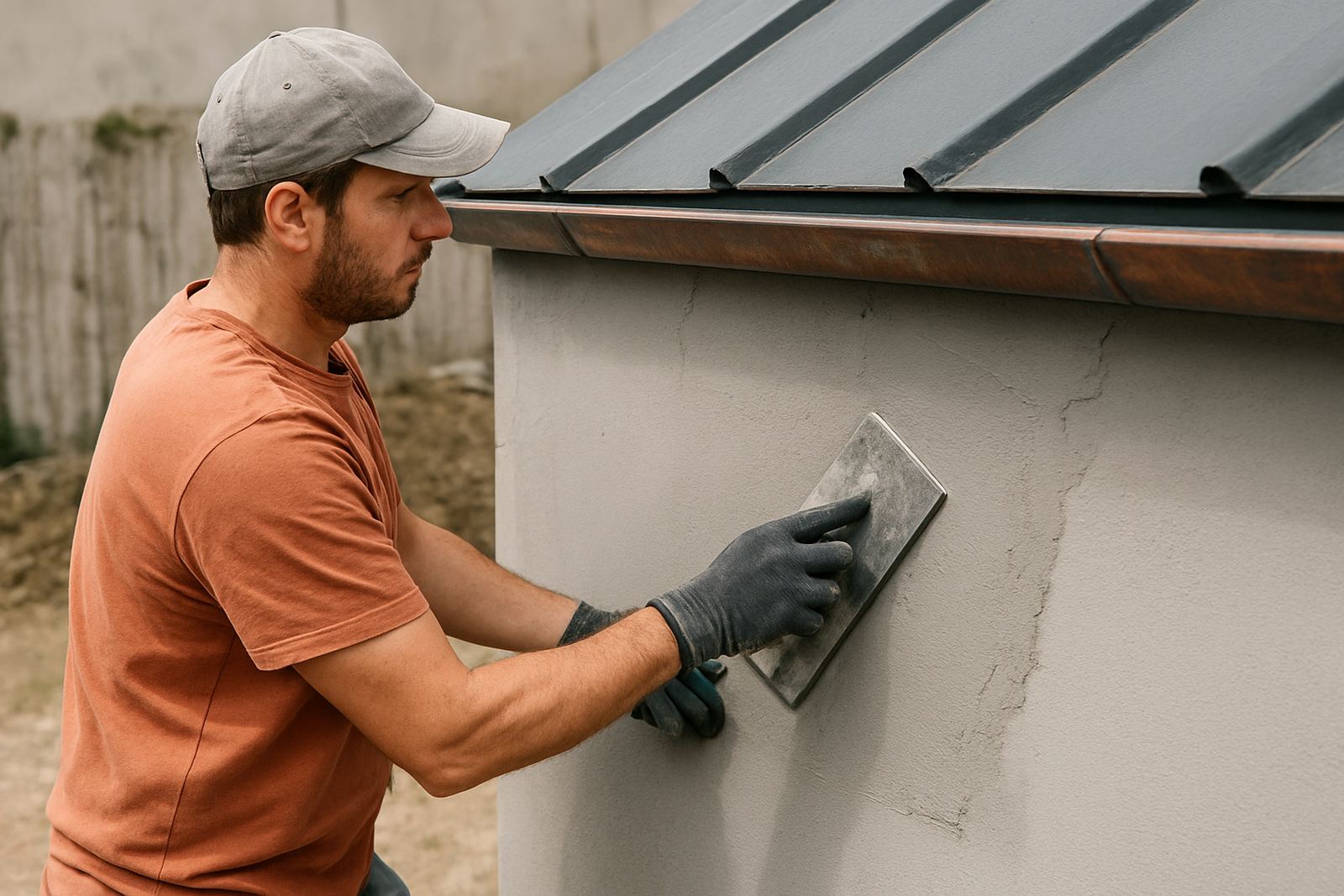
When a wall is still in blockwork or brickwork form, it is only giving you the rough shape. Once plaster goes on, the wall edge can move out by 10 mm to 20 mm, sometimes more if the mason has had to build up a corner or straighten a reveal. That small change affects every apron, cover flashing and edge return.
If a flashing is made too early, it may sit proud, leave a thin open line, or force the installer to add too much sealant. On coastal jobs around Mossel Bay, that extra sealant does not last forever in wind, salt air and strong sun. The better approach is to measure after plastering so the metal follows the finished wall, not the rough wall underneath.
- Measure from the finished plaster face, not the masonry line.
- Check the roof pitch, wall height and any uneven corners before folding.
- Allow for the metal return and the sealant gap, especially on long runs.
Paint colour and finish can affect the final fit
Paint may look like a cosmetic step, but it can change the job. A thick exterior coat can slightly build up at corners, and if two coats are applied over fresh plaster there is often a small edge at the junctions. That is enough to affect a tight fit on a custom flashing, especially where the flashing meets a parapet or side wall.
It also helps to know the final finish before fabrication. A textured wall, smooth plaster or roughcast finish each behaves differently at the joint. On a neat family home in Hartenbos, for example, a flashing that works on a smooth rendered wall may sit differently on a rough exterior finish. If the painter has already cut in along the roof edge, the installer must work carefully to avoid marking fresh paint.
- Confirm the paint and plaster are fully dry before final fixing.
- Keep the flashing line slightly off the wall finish to avoid rubbing paint loose.
- Match the fold depth to the real wall profile, not just the plan dimensions.
The right sequence on site saves rework
Good flashing work depends on the order of the build. First comes the structural shell, then the roof sheet or wall cladding, then plastering where applicable, then painting, and finally the final flashing measurement and fit. If the order is mixed up, you often get an awkward finish around corners, windows, parapets and drip edges.
We see this often on small alterations and carport tie-ins in George and Wilderness. A builder may close the roof, then the plasterer returns and adds a thicker edge than expected. The flashing that was cut earlier no longer lands cleanly. That is why site measuring before fabrication matters so much. It is not just about length, it is about the finished build-up, slope and seal line.
- Do not finalise flashings before plaster thickness is known.
- Coordinate with the plasterer and painter before drilling or riveting.
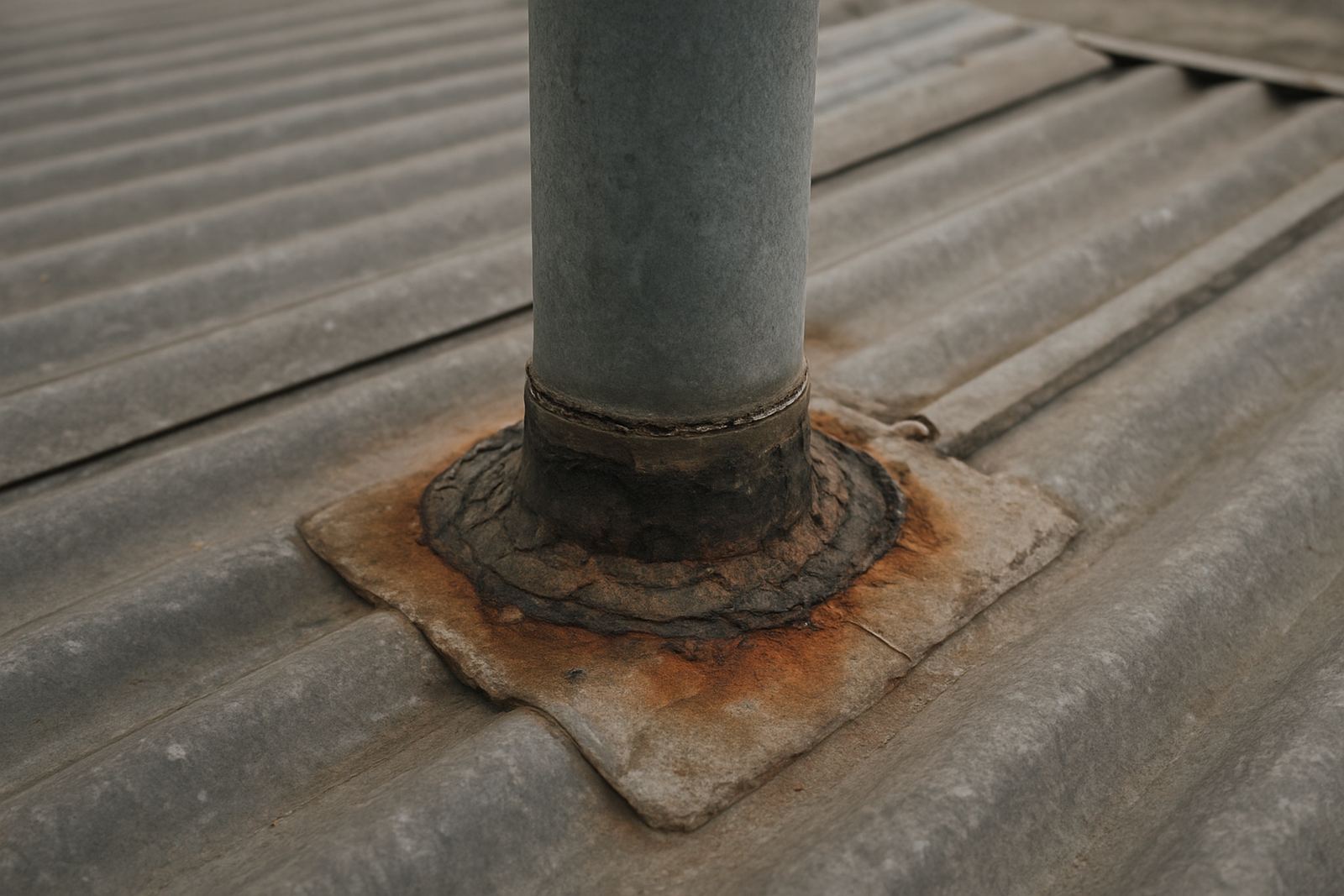
- On replacement work, remove old sealant and check the substrate is sound.
Common mistakes we see after plastering
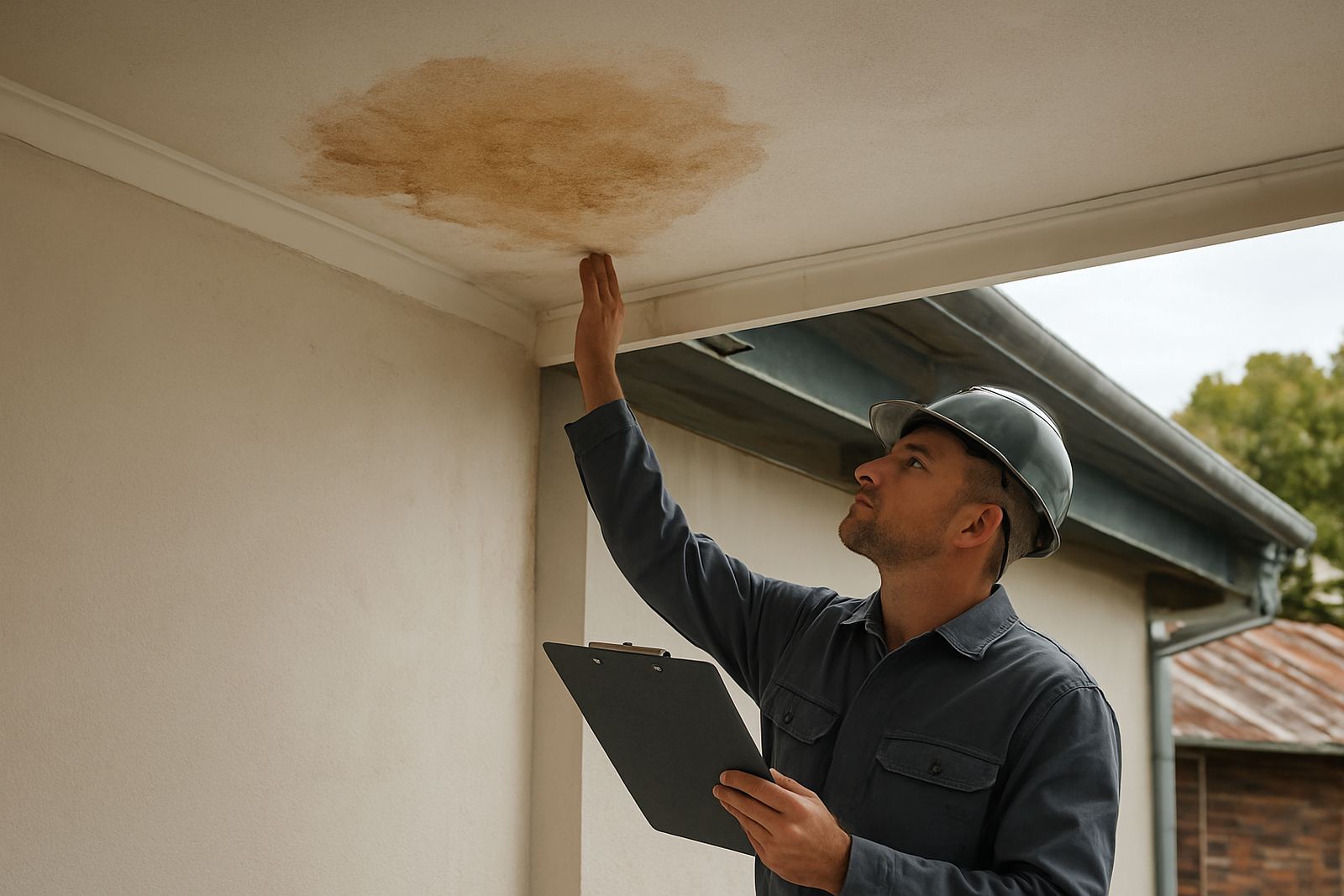
The most common problem is assuming the rough opening is the final size. Another is leaving flashing work until after rain damage has already started. By then, the plaster may be damp, paint may be blistering and the sealant area may be contaminated with dust. A clean metal edge cannot bond properly to a dirty wall.
We also see people stretching one piece of flashing too far to save time. That usually leaves a weak line at the join. It is better to break the run into manageable lengths with proper overlaps, especially on long boundary walls and garage fronts where movement is common. In summer, heat expansion can open a poor joint very quickly.
- Do not fix over damp plaster or chalky paint.
- Use proper overlaps at joins, not a tight butt joint.
- Check for cracks in plaster before sealing, then repair first.
A Mossel Bay example from a finished boundary wall
On a recent boundary wall project in Gouriqua Park, the wall had already been plastered and painted by the time the owner called about water running behind the coping line. The wall looked straight enough from a distance, but the final plaster build-up varied from one end to the other. Once we measured the finished surface, the new custom flashing could be shaped to suit the real line, not the original blockwork.
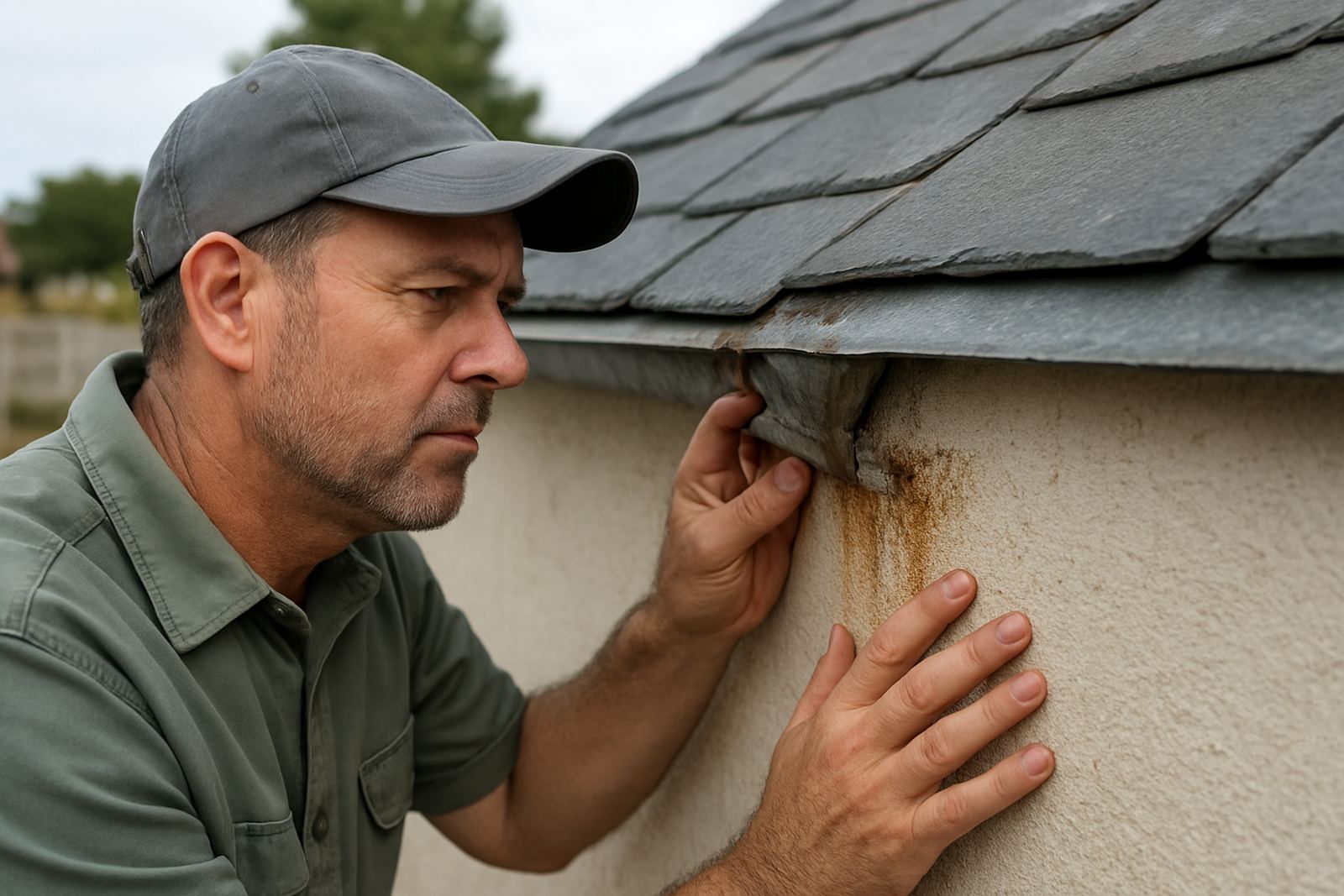
The result was a cleaner fit and a better seal at the edge. That matters along the southern Cape coast where wind drives rain into small openings. A flashing that is even a few millimetres off can let water track behind the finish and stain the wall below. The repair was simple once the actual finished dimensions were known, but it would have been easier and cheaper if the measurement had happened after plastering from the start.
What to check before ordering flashings
Before you place the order, walk the site with the finished wall in place and look at every junction. If there is a parapet, an apron, a roof step or a wall return, each one needs its own measurement. Do not rely on a single drawing when the site has been adjusted during the build. On coastal homes and light industrial work, tiny differences make a real change to how water runs off the metal.
For owners and contractors, a short checklist helps keep the job tidy and avoids repeat call-outs after the painters have packed up.
- Finished plaster and paint complete, or at least fully confirmed.
- Roof sheets, wall cladding and coping positions fixed in place.
- Any cracks or loose plaster repaired before measurement.
- Drainage direction and drip edge confirmed.
- Sealant type chosen for the exposure level and movement expected.
Getting the timing right protects the finish
Flashings are small pieces of metal, but they do a large part of the weatherproofing. When they are measured after plaster and painting, they fit better, seal better and look neater against the finished wall. That saves time on site and reduces the chance of a call-back after the first hard rain.
For work in Mossel Bay, Hartenbos, Great Brak River, George, Wilderness and Sedgefield, the rule is simple: let the wall finish settle first, then make the flashing fit the real building. It is a practical step, and it keeps the job honest.