Why the ridge matters more on wide-span roofs
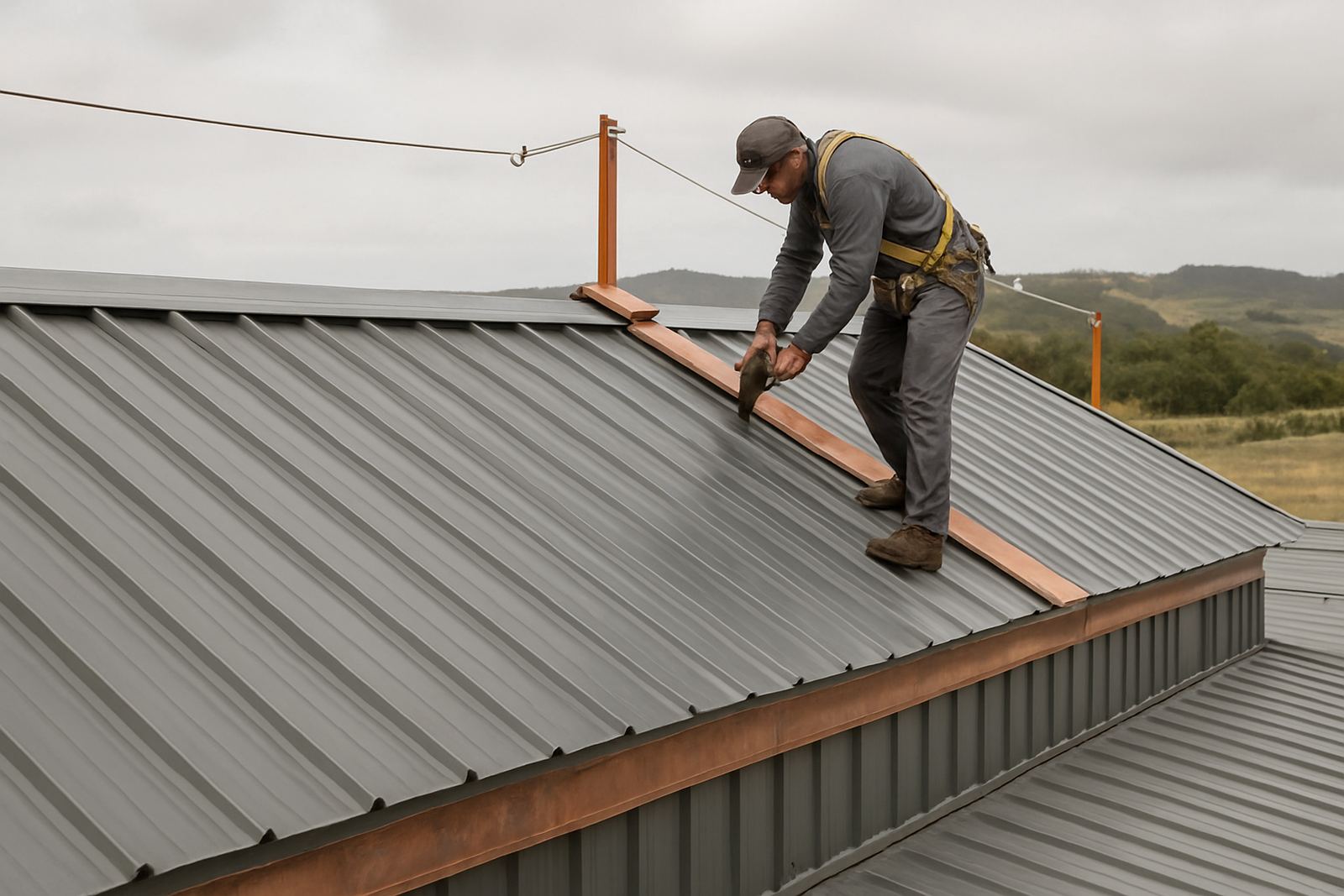
On a small building, ridge work may seem like a neat finishing touch. On a warehouse or storage shed, it does much more. The ridge helps keep water out at the highest point, allows hot air to escape when the roof is designed for ventilation, and keeps the sheet ends aligned where wind pressure is highest.
When a roof covers a large floor area, there is more movement in the steel and more stress on the sheets. If the ridge cap is too short, poorly lapped or fixed with the wrong spacing, wind can work under the edge over time. Coastal humidity can then get into the joint and rust starts at the first weak point, not the last.
- Check ridge length against the roof pitch and sheet profile before fabrication.
- Allow for overlap that suits wind direction and local exposure.
- Use fixings that are matched to the sheet and purlin spacing.
- Plan for maintenance access, especially on long buildings where small defects are easy to miss.
Getting the ridge profile right before fabrication
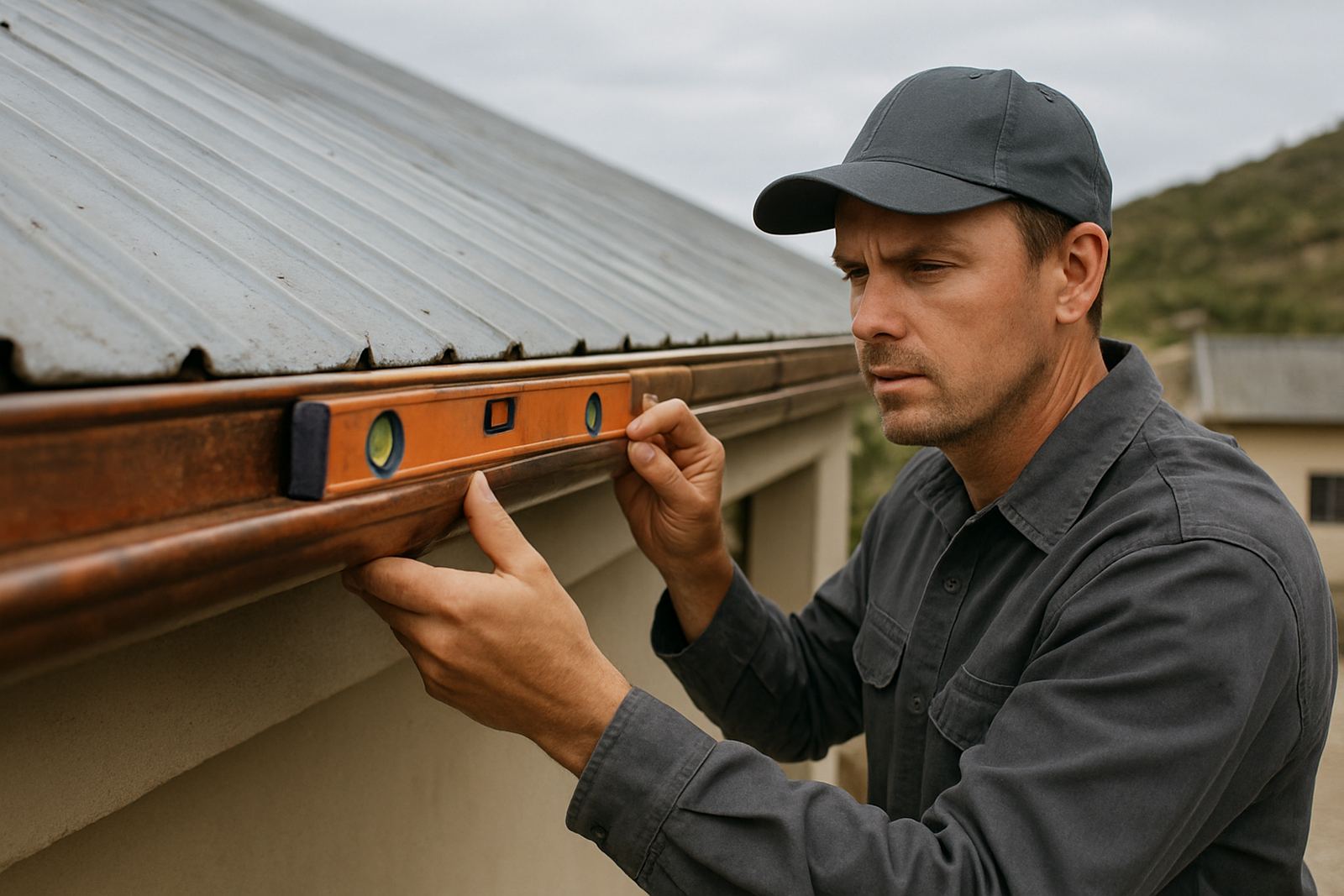
Every warehouse roof has its own layout. Span, pitch, sheet profile, insulation, vent openings and barge details all affect the ridge. That means the ridge cover should be measured on site, not guessed from a drawing that does not match the building after steel work and cladding go up.
A proper site measure helps avoid a ridge that sits too tight, leaves gaps at the ribs, or clashes with insulation blankets and lift-up vent details. It also gives room to shape flashings so they match the roof line without forcing the sheet into a bend it was never meant to take.
- Measure the actual ridge line after the frame is erected.
- Confirm the sheet profile and rib spacing on both roof sides.
- Check whether the roof has internal lining, insulation or roof vents.
- Allow for thermal movement so the ridge does not buckle in summer heat.
Weatherproofing details that stop leaks early
Most ridge leaks do not start as big failures. They begin with a small gap, a torn seal or a fastener that has worked loose. On industrial roofs, water can track along the sheet and only show inside much later, which makes the problem harder to trace. A ridge detail has to stop direct rain, driven mist and wind-blown dust.
In the southern Cape, the combination of rain, sea air and windy afternoons can test any joint. A ridge cap should sit evenly over the roof sheets with clean laps and a steady line of fixings. Where vented ridges are used, the open area must be managed properly so rain cannot blow back under the cover.
- Use closure pieces where the profile allows, so open ribs are not left exposed.
- Seal lap joints carefully, especially on long roof runs.
- Keep fastener spacing consistent and avoid over-tightening.
- Inspect end laps after the first wet season, not years later.
Ventilation, heat and storage conditions inside
Many warehouses store goods that do not like heat build-up. A ridge can help move warm air out, but only when the detail is planned from the start. If the roof traps hot air, the building becomes uncomfortable for staff and harder on stored stock, especially where summer temperatures climb and machinery is running inside.
Ventilation at ridge level must be balanced against weather entry. Too much open area without the right cover and closure details, and the roof may breathe in rain on a windy day. Too little ventilation, and condensation can form under the sheet at night. That is a common issue near the coast, where air moisture stays high.
For larger units, we often look at the full roof system, not only the ridge. The right result depends on pitch, sheet type, insulation and whether the building is used for warehousing, light manufacturing or farm storage.
- Match ridge ventilation to the storage use of the building.
- Consider insulation where temperature control matters.
- Allow for condensation management in humid areas.
- Do not cut random openings into a ridge after installation.
Fixings, lift points and long-term movement
On bigger roofs, a ridge line can take more movement than people expect. Steel frames expand and contract, and sheets move slightly with wind and temperature. If fixings are too rigid, the ridge can split or start to oil-can. If they are too loose, vibration and wind noise become a problem.
For this reason, the ridge detail has to work with the rest of the roof and not fight it. The installer needs to think about purlin spacing, sheet support and the sequence of fixing. On site, even the direction of the final lap can matter. A small change in the wrong place can catch the wind and create wear at the top of the roof.
Our workshop and site teams often see damage where the roof was patched, but the ridge detail itself was never revisited. A patch under the sheet wont help if the top joint keeps opening in the wind.
A local example from the Mossel Bay side
On a storage building in the Gouriqua Park area, the roof was holding up well apart from repeated moisture marks near the ridge line. The issue was not the full roof, but a ridge cover that had been fitted with uneven laps and a few fasteners placed too far apart. In strong southerly wind, water was being driven under the cover and tracking down one side of the sheets.
After measuring the roof properly, the ridge details were remade to suit the actual profile and pitch. The laps were corrected, the sealing was redone, and the fixings were spaced more evenly. The owner had fewer call-backs after that, and the inside stayed drier through the wetter months. It was a plain fix, but it saved a lot of bother.
- Small ridge faults can affect a whole building, not just one bay.
- Local wind direction should be part of the detail, not an afterthought.
- Proper measuring before fabrication reduces waste and site delays.
When to repair, replace or inspect the ridge
Not every ridge problem needs a full replacement. Some roofs only need resealing, new fasteners or a replacement flashing section. Others have reached the point where the cap is bent, corroded or too short for the current roof layout. The decision should come from a proper inspection, not a quick look from the ground.
If you see staining at the ridge, loose screws, lifted edges or corrosion around the lap lines, it is time to check the detail. This is also worth doing after a heavy wind season or after maintenance work by another contractor, since roof repairs can sometimes disturb ridge fixings without anyone noticing.
- Inspect after storms, especially on long warehouse roofs.
- Look for daylight at lap joints from inside the building.
- Check for rust around fasteners and cut edges.
- Plan maintenance before leaks reach stock or machinery.
For industrial roofs in Mossel Bay, George, Wilderness, Sedgefield and nearby towns, the ridge is a small part of a bigger system, but it carries a lot of the risk. Done properly, it keeps water out and helps the building work as intended. Done badly, it becomes a weak point that keeps coming back.