How We Confirm a Delivery Date
Once your order has been measured, priced and approved, we confirm a realistic lead time based on the work involved, material availability and the workshop schedule. Simple gutter runs or standard sheeting can move faster than custom flashings, carport frames or longer steel structures, so we always check the full scope before giving a date.
For Mossel Bay and the surrounding southern Cape, we also factor in weather, road access and site readiness. Wind along the coast can slow offloading, and wet ground can affect where a truck can safely park. If your site is in Hartenbos, Great Brak River, George, Wilderness or Sedgefield, we plan the run so that the delivery reaches you when your team is ready to receive it.
- We confirm the item type, quantity and finish before dispatch.
- We advise whether the load can be dropped at once or needs a staged delivery.
- We keep you updated if rain, wind or municipal access rules affect timing.
What We Need From You Before the Truck Leaves
Good delivery starts with clear information. Before dispatch, we need to know who will receive the load, where the offloading point is, and what equipment is available on site. If there is no forklift or crane, we must plan for manual handling or arrange an alternative method. That avoids delays and extra trips.
For homes, workshops and small developments in Gouriqua Park and nearby areas, it helps to send a pin location, gate instructions and the name of the contact person on site. If there are low branches, soft sand, tight driveways or overhead lines, tell us before the truck arrives. It saves time and keeps the offload safe.
- Full site address and a location pin if possible.
- Contact name and number for the person receiving the delivery.
- Access details such as gate codes, height limits or turning space.
- Any lifting equipment on site, plus the safe offload point.
Offloading Sheet, Flashings and Steel Members Safely
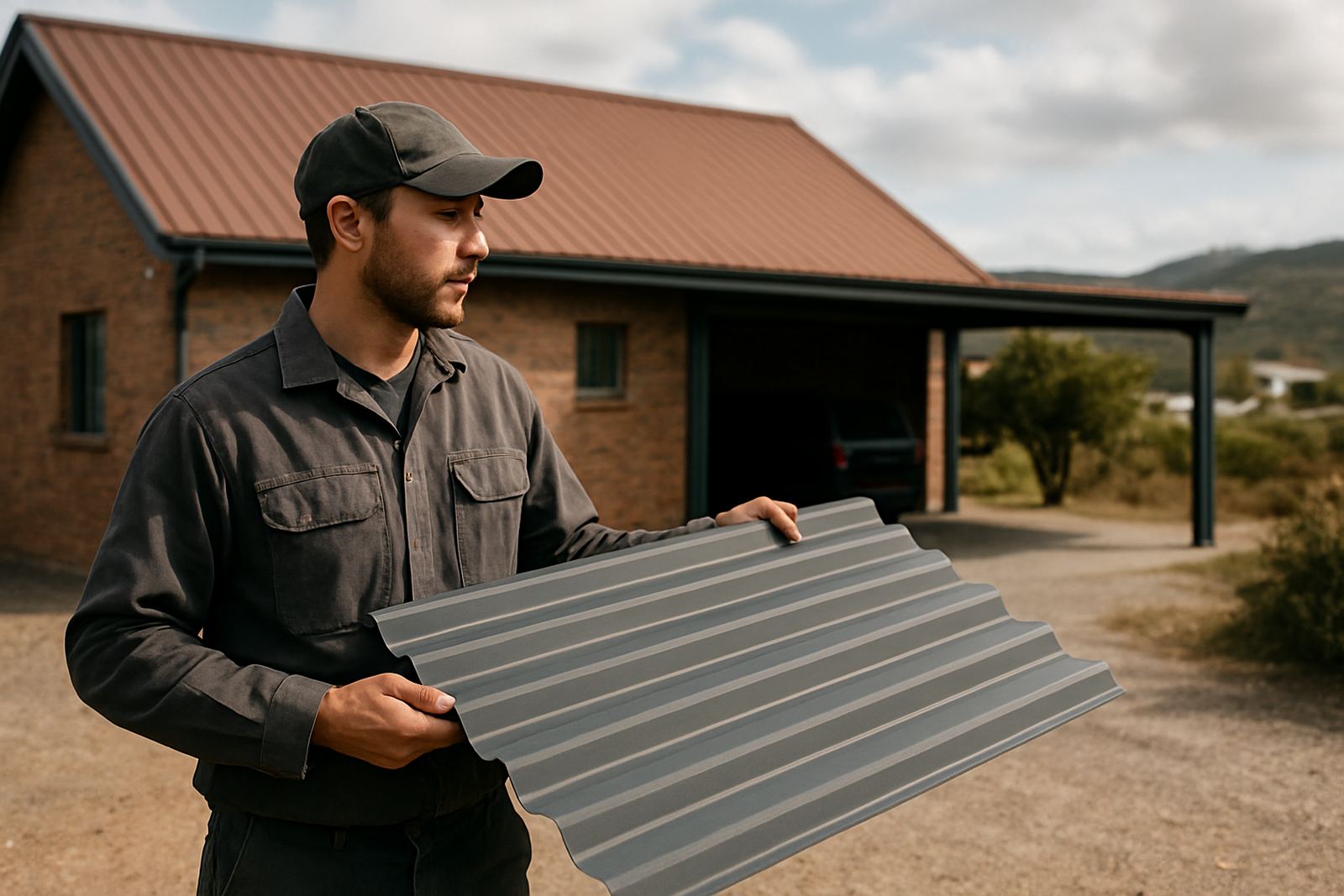
Fabricated items must be unloaded in the right order and on a level surface. Long sheets, gutters and flashings can bend if they are dropped or stacked unevenly. Steel frames and carport members can also be damaged if they are shifted with poor support, so we work to the method best suited to the load.
On coastal sites around Mossel Bay, salt air and humidity can also affect how material is handled. We avoid leaving bare steel exposed longer than needed, and we recommend that components are stored under cover or lifted onto sleepers where air can move around them. If you are not ready to install immediately, tell us so the load can be wrapped and marked correctly.
- Keep a clear path from the delivery point to the storage area.
- Have enough labour on site for safe offloading.
- Prepare level support for sheets, gutters and frames.
- Do not stack different profiles together unless they are clearly marked.
Site Access Rules That Affect Delivery
Some sites in the southern Cape have narrow entrances, body corporate rules, municipal timing limits or shared driveways that affect when a truck can arrive. We need to know about that early. If the delivery point is in a built-up area of George or near busy roads in Mossel Bay, we may need to avoid peak traffic times and allow extra time for manoeuvring.
For larger steel structure deliveries, access matters even more. A truck may need space to reverse, turn and unload without blocking neighbours or damaging paving. If there are overhead cables, tree branches, steep drives or soft surfaces, we may ask for a hand-off point closer to the road. That is normal and often the safest option.
- Check whether trucks may enter the property or must offload at the boundary.
- Confirm any security rules, gate restrictions or noise limits.
- Make sure neighbours or tenants know when the load will arrive if space is shared.
If the Delivery Is Delayed or the Site Is Not Ready
Sometimes a site is not ready when the load arrives. The slab may still be curing, the roof structure may be unfinished, or access may be blocked by other trades. When that happens, we follow the agreed plan where possible and communicate the next step clearly. We would rather reschedule than force a delivery into an unsafe spot.
If weather, load-shedding or transport delays affect the timing, we let you know as soon as possible. Our team works with practical time windows because steel and sheet metal work often depend on several trades arriving in the right order. A small change in timing can save hours on site, and a bit of planning avoids damage or double handling.
- Keep us informed if concrete, roofing or wall work is running late.
- Tell us immediately if the receiving person changes.
- Do not unload onto a wet, uneven or unstable surface.
What Happens on Hand Over
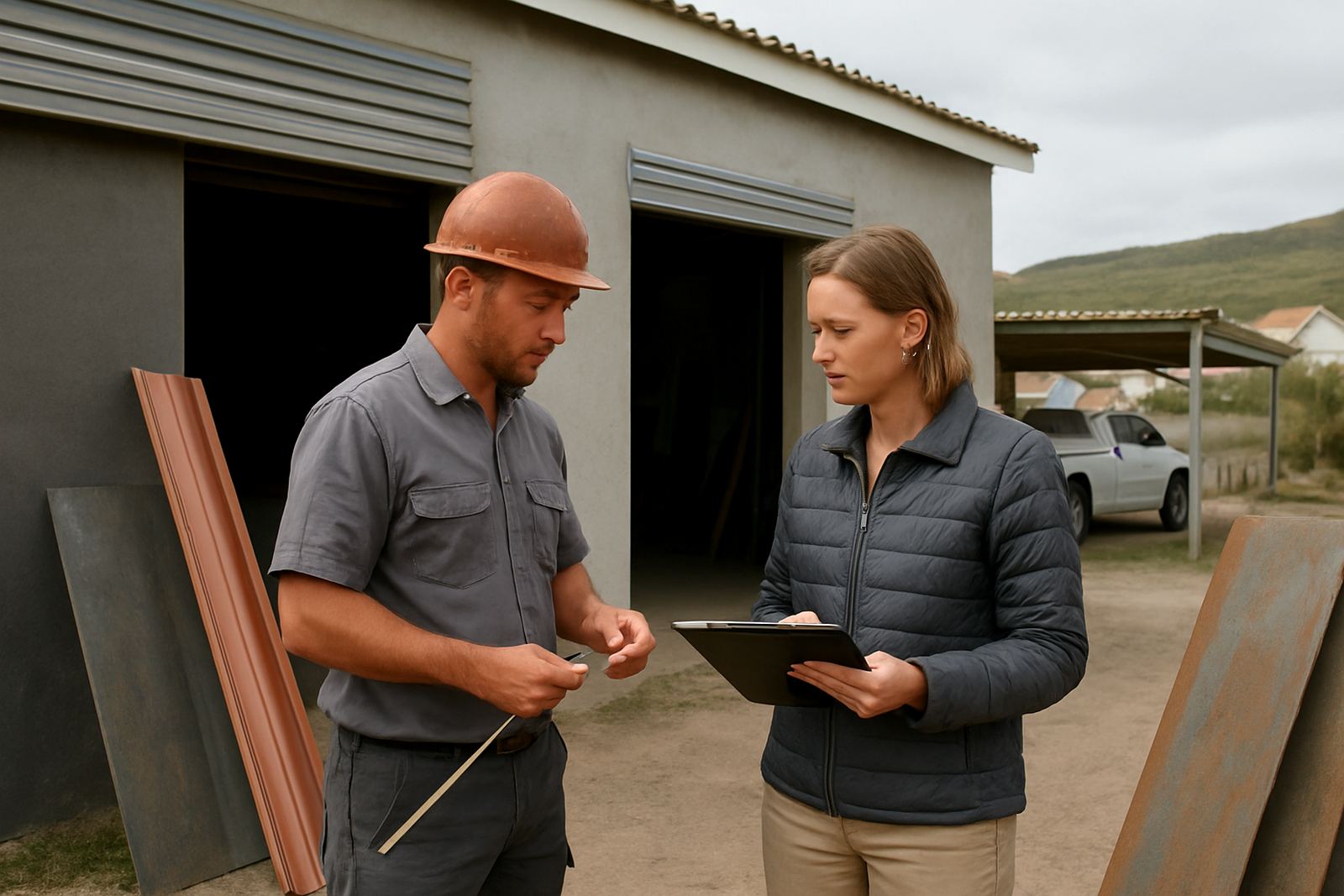
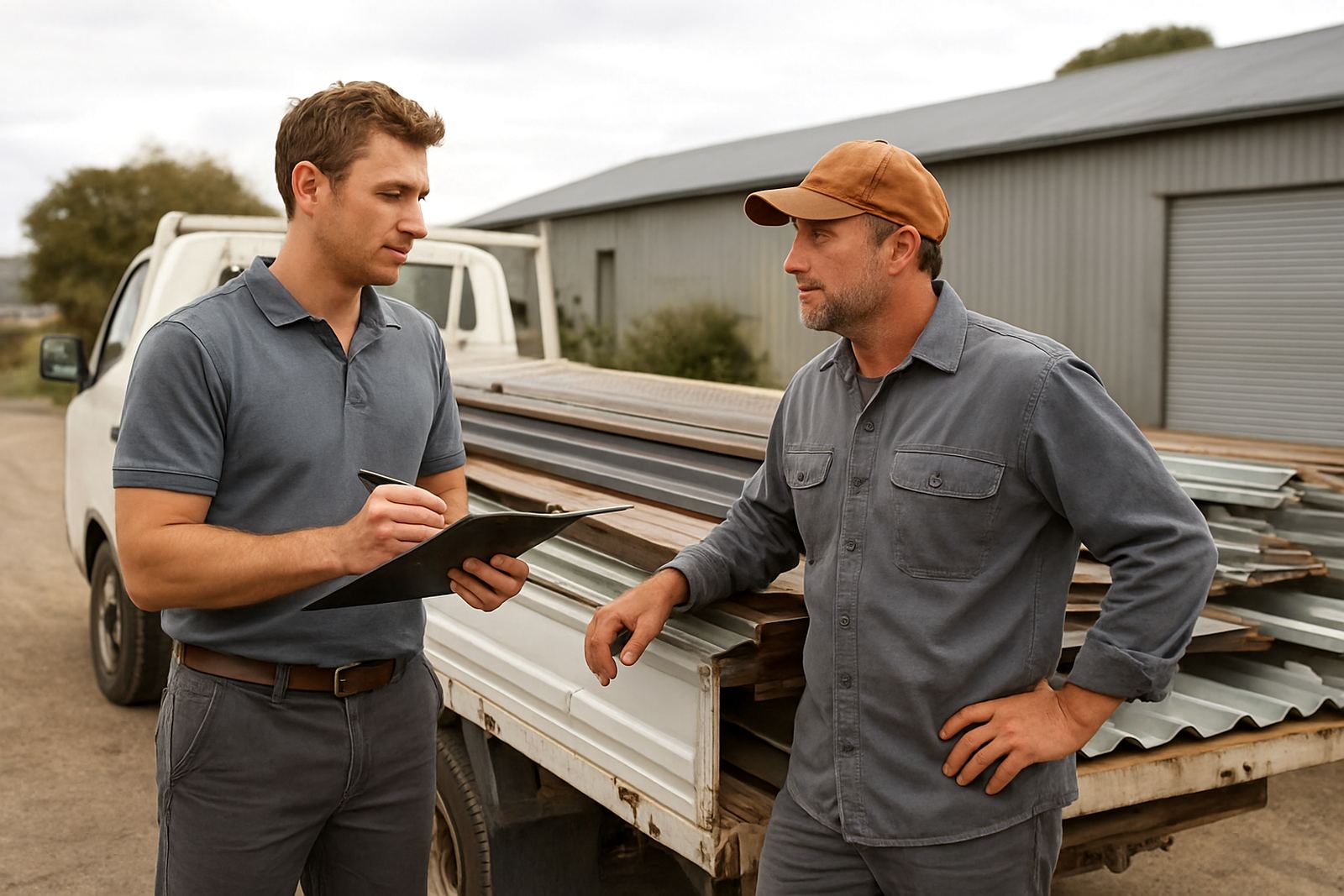
When the load arrives, we check the items against the job and hand over to the contact person on site. If there are visible issues such as bent edges, missing pieces or transport damage, note them at once so they can be recorded. Small issues are easier to sort out on the day than after the materials have been moved and cut.
We also use the handover to confirm the next stage. That may be installation of roof sheeting, fitting of gutters, fixing of custom flashings or erection of a steel frame. Clear handover keeps the job moving and helps the site team know what is coming next.
- Count all bundles, packs and loose items before signing off.
- Check that the delivery note matches the order.
- Store the material in a dry, secure place if installation is not immediate.